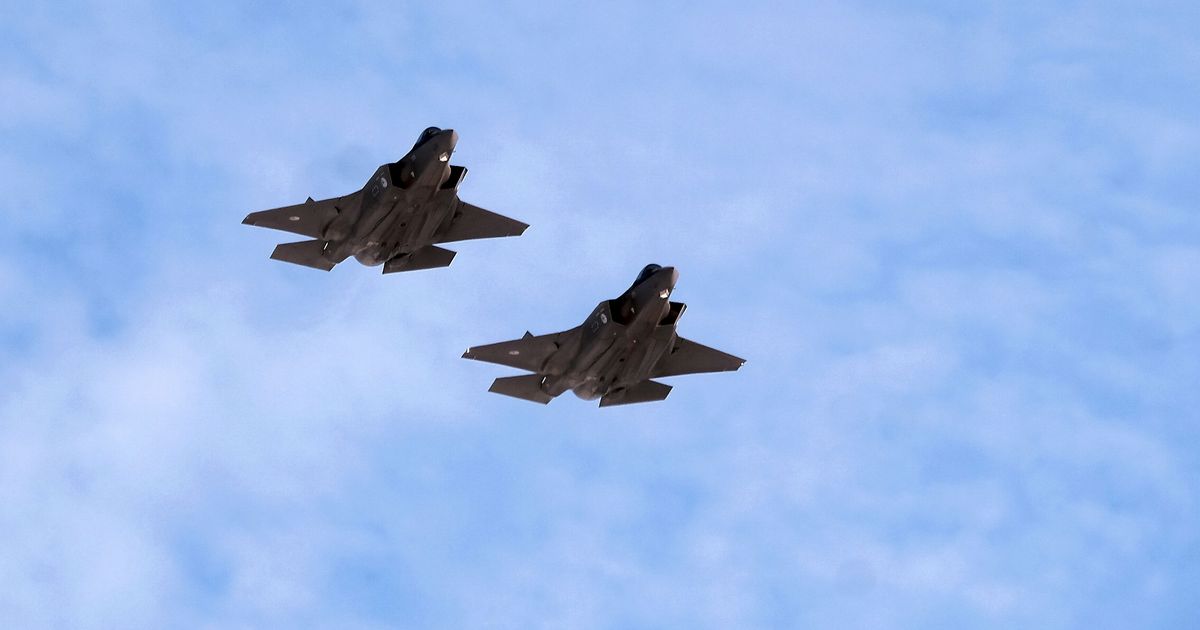
F-35 Jets in Groningen: Balancing Noise, Security, and Locals
The serene landscapes surrounding Groningen Airport Eelde are buzzing with a different kind of energy lately – one charged with debate, anxiety, and the formidable sound of modern warfare technology. The prospect of F-35 jet fighters using the airport as a training base has ignited a fervent discussion across the region. At its core, this isn't just a local dispute; it's a microcosm of a global challenge: how do nations balance the imperative of national security and military readiness with the well-being and quality of life of their civilian populations? For the residents of Eelde and neighboring villages, the roar of an F-35 isn't just noise; it’s a direct challenge to their peace, health, and sense of community.
The Roar of Progress: F-35s and National Security
The F-35 Lightning II stands as a technological marvel, a fifth-generation stealth multirole fighter jet that forms the backbone of modern air defense for numerous nations, including the Netherlands. Its advanced capabilities in air superiority, reconnaissance, and ground attack make it an indispensable asset in an increasingly complex global security landscape. The Ministry of Defense views these aircraft as crucial for safeguarding national interests and fulfilling NATO commitments, particularly in an era marked by heightened geopolitical tensions.
To maintain this formidable capability, pilots and ground crews require rigorous, realistic training. This training necessitates suitable airfields and airspace, capable of handling the F-35's demanding operational profile. The search for such locations within the Netherlands is driven by strategic necessity – ensuring that the Dutch air force remains battle-ready and proficient. From a military perspective, using existing infrastructure like Groningen Airport Eelde presents a logical solution, offering logistical advantages and potentially reducing the need for costly new developments. The presence of F-35s in the region, proponents argue, sends a clear message about national resolve and commitment to defense.
When the Sky Screams: The Impact on Groningen Locals
While the F-35 represents military might, for the residents of Eelde and the surrounding communities in Drenthe, it primarily signifies profound disruption. The central concern revolves around noise pollution. These advanced jet fighters are known for their powerful engines, which generate noise levels exceeding 100 decibels during take-off, landing, and various flight maneuvers. To put this into perspective, 100 decibels is louder than a jackhammer and can be comparable to a chain saw or a rock concert. Prolonged exposure to such intense sound is not merely irritating; it poses significant health risks, including potential permanent hearing damage.
Anton Reijntjes, representing the "F-35 Nee!" committee, voices the community's deep-seated fears. He highlights the potential for the intense noise to render surrounding villages virtually uninhabitable, affecting not just homes but also crucial community infrastructure like schools. Imagine trying to learn or teach amidst the deafening roar of a fighter jet. Beyond hearing loss, residents fear other environmental impacts, such as air pollution and odor, along with a drastic reduction in local tourism – an industry the region has actively invested in. The thought that current investments in improving the tourism sector could be negated by military operations is a bitter pill for many. The psychological toll of living under such conditions, with constant noise disrupting daily life, sleep patterns, and overall well-being, cannot be underestimated. The idea that a place many call home could become unlivable due to military necessity underscores the depth of the local residents' plea for alternative solutions. For them, it’s not just about inconvenience; it’s about the very fabric of their community life.
Weighing the Scales: Economic Boost vs. Environmental Cost
The debate over F-35 training in Groningen isn't solely about security versus noise; it also involves a complex economic dimension. Harry Omlo, a provincial politician for JA21 in Drenthe, points to the potential economic upsides. Storing and maintaining F-35s at Groningen Airport Eelde could lead to job creation, infrastructure development, and a significant economic impulse for the region. This perspective often frames military installations as engines for local growth, bringing skilled labor and investment.
However, these proposed benefits are met with skepticism by those like Anton Reijntjes. He argues that any economic gains from military presence might be overshadowed by losses in other sectors, particularly tourism. If the area becomes unappealing due to noise, the millions already invested in improving the tourist sector could be jeopardized, leading to a net economic loss rather than a gain. Furthermore, the intangible costs – such as decreased property values, the stress on residents, and the erosion of community cohesion – are difficult to quantify but are profoundly felt. The stark image of a
straaljager in vlammen (jet fighter in flames), however improbable, lurks in the subconscious fears of some, adding a dramatic edge to anxieties about worst-case scenarios and the inherent risks of military operations near civilian areas. This perception of risk, combined with the guaranteed noise pollution, creates a significant barrier to local acceptance.
The fundamental challenge lies in assigning value. How do you weigh potential jobs against the peace and quiet of a residential area? How do you compare national security interests with the fundamental right to a healthy living environment? This dilemma is central to understanding
Groningen's F-35 Dilemma: Military Training vs. Community Life, where local comfort and national defense are locked in a tense standoff.
Finding a Flight Path Forward: Solutions and Compromises
Given the consensus that F-35 training is essential, the crux of the matter, as both Omlo and Reijntjes agree, is *where* this training should occur. Finding a sustainable and acceptable solution requires creative thinking, open dialogue, and a willingness to compromise from all stakeholders.
Several avenues for compromise and solutions could be explored:
*
Alternative Locations: A thorough investigation into alternative training bases, both within the Netherlands and across Europe, could identify sites where the impact on populated areas would be significantly less. This might involve looking at less densely populated regions or existing military zones.
*
Mitigation Measures: If Groningen Airport Eelde is deemed indispensable, measures to mitigate noise must be rigorously pursued. This could include restricted flight times (avoiding night flights or weekends), specific flight paths designed to minimize impact over residential areas, technological advancements in noise reduction, or even the construction of noise barriers.
*
Compensation Schemes: For residents directly affected by unavoidable noise, comprehensive compensation packages could be considered. This might involve financial remuneration for noise exposure, property value guarantees, or investments in local community projects.
*
Community Engagement and Transparency: Open and honest communication between Defensie and local communities is paramount. Providing clear information, addressing concerns directly, and involving residents in the decision-making process can help build trust and find common ground.
*
Economic Reassessment: A detailed, independent assessment of the true economic costs and benefits for the region is vital. This would ensure that decisions are based on comprehensive data, weighing all economic factors, not just potential job creation. This deeper dive is crucial for understanding
The F-35 Debate: Economic Boost or Unbearable Jet Noise for Eelde?.
Ultimately, navigating this complex issue requires a nuanced approach that acknowledges both the critical demands of national security and the legitimate concerns of the communities directly impacted. It's about finding a path where essential training can occur without permanently damaging the lives and livelihoods of citizens.
Conclusion
The debate surrounding F-35 training in Groningen embodies a fundamental tension in modern society: the balance between collective security and individual well-being. While the strategic importance of the F-35 jet fighter to Dutch and NATO defense is undeniable, the potential for severe noise pollution and disruption to local communities cannot be ignored. The residents of Eelde and beyond are being asked to pay a significant price for national security, prompting a crucial conversation about fairness, sustainability, and the true cost of military readiness. Moving forward, solutions must prioritize robust dialogue, innovative mitigation strategies, and a genuine commitment to finding alternative locations or creating compromises that safeguard both the skies above and the communities below. Only through such a balanced approach can the Netherlands ensure its defense capabilities while preserving the quality of life for its citizens.